Blog
Simulated vs. True Beadlock: Vortek’s Take on Rugged Design & Trail-Ready Legality
True beadlocks lock your tire bead to the rim with a ring and bolts. It can run super-low tire pressures (5–7) PSI. They are great for off-roading but come with extra weight and safety risks. Simulated beadlock, on the other hand, just copies the look of beadlock. They don’t clamp the tire, but they’re always street legal.
The main differences between beadlock vs simulated beadlock wheels are how they function, mounting, maintenance, and cost. Beadlock wheels give you maximum traction by clamping the tire bead to the wheel. It comes with trade-offs, too. You have to pay extra and take more care of them. Simulated beadlock is no different from standard wheels in functionality. They are lighter, affordable, and good for everyday driving with little maintenance.
Both wheels serve two different terrains. That’s why it’s important to match the wheel to your lifestyle. At Vortek Wheels, we make rugged designs that deliver both style and performance, giving you confidence on the road and the trail.
What are True Beadlock Wheels?
Picture this: you’re out on the trail, you air your tires down for extra grip, and suddenly the bead slips off the rim. Now you’re stuck. That’s exactly the problem beadlock wheels are designed to solve. Instead of relying only on air pressure to hold your tire in place, a beadlock uses a sturdy metal ring and a bunch of bolts to physically clamp the tire bead to the wheel.
This design lets you run super-low tire pressures, as little as 5–7 PSI, without worrying about the tire coming loose. Why does that matter? Because lower PSI means a bigger contact patch, more traction, and better control on rocks, sand, or mud. Beadlocks are heavier, more expensive, and not always street-legal, but if you’re serious about off-roading, they give you the confidence to push harder without the fear of losing a tire.
What are Simulated Beadlock Wheels?
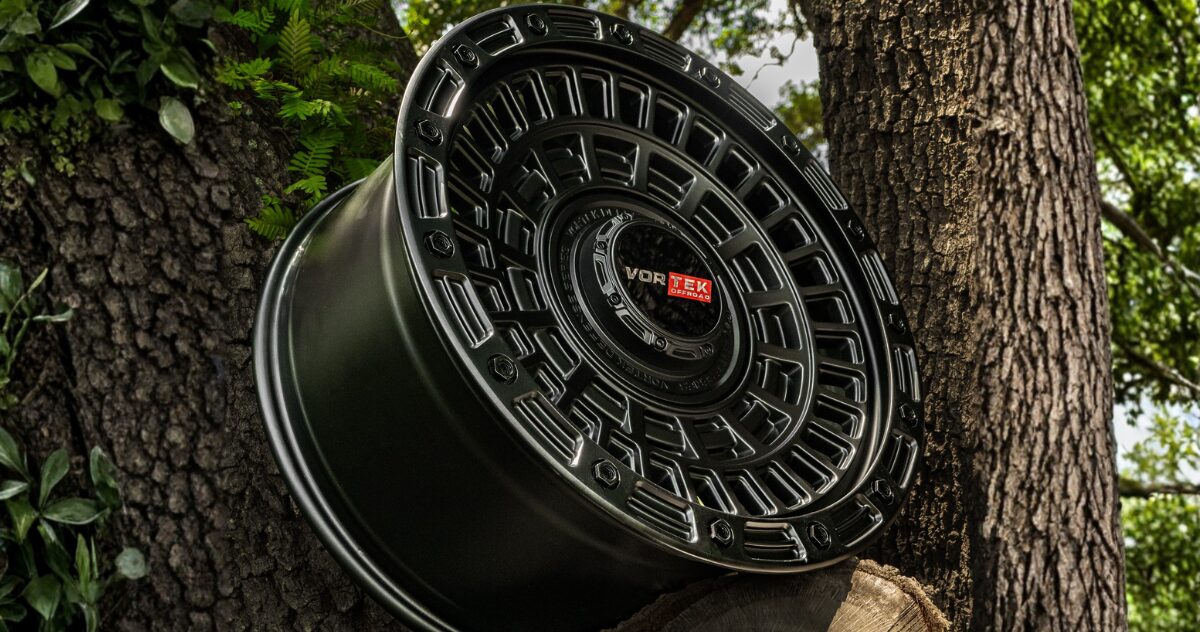
Simulated beadlock wheels are made to look like real beadlocks. But here’s the thing, they don’t actually lock your tire in place. The bolts and ring you see are just for style. They give your ride that tough, off-road look without doing the heavy-duty job of a true beadlock.
So why pick them? First, they’re lighter and cheaper than real beadlocks. Second, they’re street-legal everywhere in the US, since they’re basically normal wheels with extra style. That means you can run them daily with no worries.
The trade-off is simple: simulated beadlocks are cosmetic only. You can’t air down to super low PSI like you would with real beadlocks. If you drop too much pressure, the tire can still pop off the rim. But if you want the look without the cost, they’re a great choice.
Key Differences of True Beadlock VS Simulated Beadlock
How They Work
A true beadlock is all about grip. The ring and bolts literally squeeze the tire bead onto the wheel so it can’t slip, even when you let a lot of air out. Simulated beadlocks? They just wear the costume. The bolts look tough, but don’t actually hold anything.
Street Legality
Here’s the deal. Most real beadlocks aren’t DOT-approved, so technically, they’re not legal for highway use in the US. Plenty of people still drive them on the street, but you’re taking that chance. Simulated beadlocks are totally legal everywhere because they’re basically normal wheels dressed up to look mean.
Performance Off-Road
Drop your pressure to 5–7 PSI with a real beadlock, and your tires will claw into rocks, mud, or sand like glue. That’s where they shine. Try the same thing with simulated beadlocks, and you’re asking for the bead to pop off the rim. They behave like standard wheels, so they’re not built for extreme pressure drops.
Maintenance and Upkeep
Beadlocks take some babysitting. You’ll need to check those bolts now and then to make sure nothing’s worked loose. Skip it, and you could end up with trouble on the trail. Simulated beadlocks? Bolt them on and forget about them. No extra care needed.
Mounting and Shops
Not every tire shop wants to mess with real beadlocks. They’re a pain to mount and balance, and shops don’t like the extra risk. Simulated beadlocks are no different than normal wheels, so any shop can handle them.
Who They’re Really For
Beadlocks are for the hardcore folks. Like the rock crawlers, racers, and weekend warriors who live for tough trails. Simulated beadlocks are for drivers who love the rugged beadlock look but spend more time on the street than on the rocks.
Are Beadlock Wheels Street Legal? Vortek’s Take on Trail-Ready Legality
In most cases, the answer is no. True beadlock wheels are usually not approved by the DOT (Department of Transportation). That means they are not considered legal for everyday street or highway driving in the United States. The concern is safety because beadlocks are heavier, harder to balance, and can fail if they are not installed correctly.
Some drivers still run beadlocks on the road and may never get stopped. However, they can cause issues during state inspections, roadside checks, or even insurance claims after an accident.
If you like the aggressive look but still need your vehicle to stay street legal, the safer choice is simulated beadlocks or DOT-approved beadlock-style wheels. Vortek Wheels has your back here. Our simulated and beadlock-style options give you the same tough look without the stress.
Pros and Cons of Beadlock Wheels
Pros of Beadlock Wheels
- Run at Low PSI: Lets you air down to very low PSI (5–7).
- Improved Grip: Provides better traction on rocks, sand, and mud.
- Secure Fit: Keeps the tire firmly locked on the rim.
- Off-Road Performance: Ideal for crawling, mudding, and racing.
- Extra Safety: Offers added security in extreme off-road driving.
Cons of Beadlock Wheels
- Street Legality: Usually not legal for street use.
- Added Weight: Increases the weight of your wheels.
- Maintenance: Requires frequent bolt checks.
- Difficult Installation: Harder to mount and balance tires.
- Higher Cost: More expensive than regular or simulated beadlocks.
In short: Beadlocks are built for serious off-road use. They give you grip and control where you need it most, but they are not the best choice if you spend a lot of time on the street.
Pros and Cons of Simulated Beadlock Wheels
Pros of Simulated Beadlock Wheels
- Street Legal: Always DOT-approved and legal for street use.
- Lightweight: Lighter than true beadlock wheels.
- Affordable: Lower cost compared to real beadlocks.
- Stylish Look: Gives your vehicle the aggressive beadlock appearance.
- Convenience: Easy to mount and balance at any tire shop.
- Low Maintenance: Require little to no upkeep.
Cons of Simulated Beadlock Wheels
- Not Functional: Do not actually lock the tire bead.
- Air Pressure Limits: Cannot safely run at very low PSI.
- Performance Limits: Not suitable for extreme crawling or racing.
- Cosmetic Only: Purely for looks, with no real performance benefits.
- Possible Confusion: Some buyers may mistake them for real beadlocks.
In short: Simulated beadlocks give you the look without the legal or maintenance hassles, but they will never replace the performance of a true beadlock wheel.
PSI & Airing Down: When to Choose Beadlocks
One of the biggest reasons off-roaders run beadlocks is the freedom to air down. When you drop your tire pressure, the tire spreads out and grips better on rocks, sand, or mud. The problem is that on a normal wheel, if you go too low, the tire bead can slip right off the rim.
With beadlock wheels, that worry disappears. The ring and bolts hold the bead tight, so you can safely run pressures as low as 5–7 PSI. This gives you maximum traction, a smoother ride over obstacles, and way more control in tough terrain.
If you usually keep your tires around 10–15 PSI, simulated beadlocks or standard wheels are fine. But if you plan to push into single-digit pressures for crawling or racing, real beadlocks are the right choice. That’s where they really shine.
Cost of Beadlock vs Simulated Beadlock
Let’s talk money, because that’s often the deal breaker. Beadlock wheels are the pricey option. You’re usually looking at $350 to $700 per wheel, depending on the brand and design. On top of that, some shops charge extra to mount and balance them, since beadlocks take more time and care. And don’t forget, you’ll need to check and retorque the bolts regularly, which adds to the overall cost of ownership.
Simulated beadlock wheels are much more affordable. Most sets land in the $150 to $300 per wheel range, and they mount just like regular wheels. That means any tire shop can handle them, and you won’t be paying extra for special service. Plus, they’re basically maintenance-free, which keeps costs lower long term.
Which Wheel Type Is Right for You?
So, here’s the big question: should you run beadlocks or stick with simulated beadlocks? The answer depends on how you actually use your rig.
Go with beadlocks if:
You spend most of your time off-road, need to air down into the single digits for traction, and want the peace of mind that your tires will stay locked in place. Beadlocks are made for serious rock crawling, mudding, and racing.
Go with simulated beadlocks if:
You drive mostly on the street and only hit light to moderate trails. You like the rugged beadlock look but don’t want the extra cost, weight, or maintenance. Simulated beadlocks give you the style while staying completely street legal.
FAQs About Beadlock vs Simulated Beadlock
Question: Why aren’t beadlock wheels street legal?
Answer: Most beadlock wheels are not approved for road use because they are heavy, harder to balance, and can be unsafe if the bolts loosen. They are mainly designed for off-road driving, not highways.
Question: How often do you need to tighten beadlock bolts?
Answer: You should check and retighten the bolts after the first 50–100 miles. After that, it’s smart to check them often, especially after every off-road trip, to keep the tire bead secure.
Question: Do beadlock wheels hurt gas mileage?
Answer: Yes, a little. Beadlock wheels weigh more than standard or simulated wheels. The extra weight can lower your fuel economy, but many off-roaders think the added traction is worth it.
Question: Do simulated beadlocks help with off-roading?
Answer: No. Simulated beadlocks are only for looks. They don’t hold the tire bead in place or let you run super low PSI. They’re made for style, not performance.
Final Verdict
Beadlocks and simulated beadlocks might look similar, but they’re built for very different drivers. If you’re out on the trails every weekend, running super low PSI and pushing your rig to the limit, beadlocks are your best friend. They keep your tires locked in and give you the confidence to tackle anything. But if most of your miles are on the road and you just want that bold off-road look, simulated beadlocks are the smarter, easier choice.
In the end, it’s not about which one is “better,” it’s about what fits your lifestyle. The good news? No matter what you choose, Vortek Wheels has options that combine performance, durability, and style. So you’re always ready for the next adventure.