Blog
Steel vs Alloy Wheels? Choosing the Right Armor for Your Off-Road Adventures
Steel wheels are stronger, heavier, and budget-friendly. They are prone to bending and easy to repair also perfect for rock crawling or running winter beaters. Alloy wheels are lighter, resist rust, and give you better handling with a stylish look. The differences between steel vs alloy wheels go much deeper beyond the look or performance. It comes to how they handle rough conditions.
Steel wheels are the strongest of all wheel types, and that strength comes with extra weight. Though they can take a beating from your off-roading, they get easily bent and rusty. You have to pay more attention and money to maintain them. Alloys are made from aluminum. So they are naturally strong but light. Their lightweight feature makes them more performance-driven, fuel-efficient, and durable, making your off-road adventure smoother. Alloy wheels’ best perk is their customization options. You can get them lots of finishes, colours, and sizes, making your own personalized wheel that catches attention.
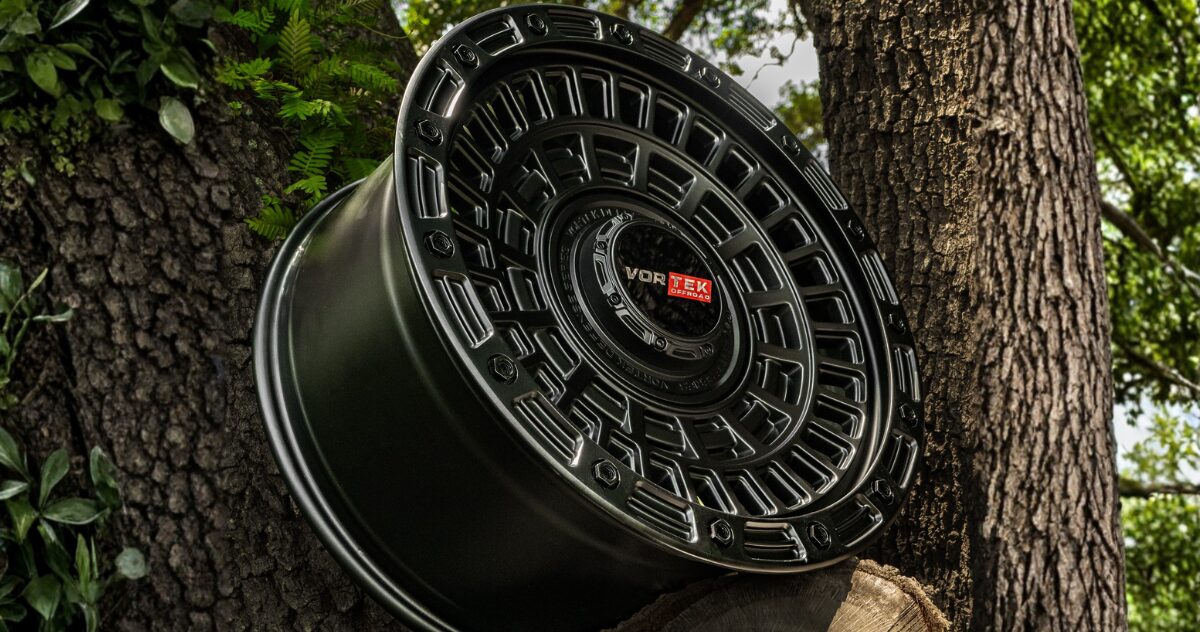
If you’re ready to match performance with durability, Vortek Wheels has a full range of alloy wheels built for real adventures and everyday driving alike.
Steel vs Alloy Wheels: At a Glance
Material & Durability
Steel wheels are built from plain steel, making them heavy but very durable. Alloy wheels, in contrast, are made from an aluminum mix, which makes them lighter yet strong enough for performance use.
Manufacturing & Cost
Steel wheels are stamped and welded, using a basic low-cost process. Alloy wheels are either cast or forged, which is a more advanced and therefore more expensive method.
Weight & Handling
Steel wheels are heavier, giving more stability on rough trails. Alloy wheels are much lighter, which improves handling and helps save fuel.
Strength & Repairability
Steel wheels can bend under impact, but those bends can often be fixed on the spot. Alloy wheels, however, are prone to cracking, and once cracked, they usually cannot be repaired.
Heat Management & Braking
Steel wheels tend to hold heat, which is less friendly for braking performance. Alloy wheels dissipate heat better, keeping brakes cooler , a big advantage when towing or driving in demanding conditions.
Rust & Corrosion
Steel wheels are prone to rust if their protective coating gets chipped. Alloy wheels are more resistant to rust, but their finish can still corrode over time.
Style & Design Options
Steel wheels are plain and offer very few design variations. Alloy wheels come in stylish designs, with many colors and finishes to choose from, making them popular for customization.
What are Steel Wheels?
Steel wheels are the tough guys of the wheel world. You’ve probably seen them on old-school Jeeps or work trucks. Made by pressing and welding steel, they’re heavier than alloys but built to handle abuse. That extra weight can hurt fuel economy, but it also gives your rig a steady, planted feel on rough trails. They’re about looks and reliability.
The best part? If you bend a steel wheel on the trail, you can often fix it with a hammer and keep going. Alloys can’t do that. They usually crack instead. Steel wheels are also budget-friendly, usually around $100–$150 each. The only downside is rust, especially in salty or wet conditions, but a good paint or powder coat will keep them going strong.
What are Alloy Wheels?
Alloy wheels are the lighter, flashier upgrade compared to steel wheels. They’re made mostly from aluminum, which makes them strong but not nearly as heavy. That drop in weight helps your vehicle handle better, gives the suspension an easier job, and can even save you a little on fuel. Another perk is heat control. Alloys pull heat away from your brakes, so if you’re driving down long mountain roads or hauling extra weight, your brakes won’t fade as quickly. And let’s be honest, they just look better. Alloys come in tons of designs and finishes.
The catch? Alloys don’t take hits the same way steel wheels do. Instead of bending, they’re more likely to crack if you slam into a rock or pothole. And because of the way they’re built, fixing them on the trail isn’t really an option. Still, if you want wheels that are lighter, cooler, and give your rig some style, alloys are hard to beat.
Steel vs Alloy Wheels: Key Differences
Material
Steel wheels are old-school, made from plain carbon steel. Nothing fancy here, just heavy, simple, and tough enough to take a beating on rough trails. Alloy wheels are the modern twist. Built mostly from aluminum mixed with other metals, they’re lighter but still strong enough for daily driving and weekend adventures.
Manufacturing Process
Steel wheels keep it simple. They’re stamped and welded, which makes them affordable and rugged, but you won’t see many flashy designs. Alloys get the high-tech treatment. Some are cast, some flow-formed for extra strength, and the fancy forged ones are super light and tough, though they’ll cost you. That’s why alloys come in so many cool shapes and styles.
Weight
Steel wheels are heavy and you’ll feel it. They can nibble at your fuel economy, but the weight helps your rig stay planted on uneven trails. Alloy wheels are much lighter, which makes steering sharper, suspension smoother, and might even save you a little gas money.
Strength
Here’s the big one: steel bends, alloys crack. Smash a steel wheel on a rock and you’ll probably dent it, but you can often hammer it back into shape. Alloys are fine for everyday driving, but a hard hit on the trail can leave you with a cracked rim that’s done for.
Heat Dissipation
Steel holds onto heat, which isn’t ideal when towing or braking hard on mountain roads. Alloys act like little heat sinks, pulling warmth away from your brakes so they stay cooler and give you better stopping power.
Corrosion
Steel’s biggest enemy is rust. Without paint or coating, it doesn’t take long, especially in snowy, salty conditions. Alloys don’t rust the same way, which is a win, but if the finish gets chipped or scratched, small corrosion spots can still show up.
Style
Think of steel wheels as work boots: plain, sturdy, and built to get dirty. Usually black or silver, and not much else. Alloy wheels are like sneakers. Endless colors, shapes, and finishes to match your style and give your ride some personality.
Off-Road Performances and Best Use Cases
Steel Wheels: The Trail Tough Guys
Steel wheels are the rugged old-schoolers. Plain, heavy, and built to take abuse. That extra weight? It actually helps keep your rig planted when you’re crawling over rocks or slogging through mud. Smash one into a boulder and it’ll probably dent, but here’s the upside: grab a hammer, knock it back, and keep rolling. No drama, no tow truck. The catch? They’re not much to look at, and if the paint chips, rust will sneak in. Long highway drives aren’t their strong suit either.
Best for: Hardcore rock crawling, winter beaters, or budget rigs where function beats fashion.
Alloy Wheels: The Stylish All-Rounders
Alloys are the lighter, sharper option. Their weight savings make steering snappier and suspension smoother. You’ll feel it on every drive. They also help brakes stay cooler on long descents, and unlike steel, they don’t rust. The cherry on top? Endless styles and finishes to match your vibe, from subtle to bold. They won’t forgive a big hit like steel (no hammer fix here), but for most folks, alloys hit the sweet spot between everyday comfort and off-road fun.
Best for: Daily driving, weekend trail runs, overlanding, towing, and anyone who wants performance with personality.
Cost Consideration of Alloy and Steel Wheels
When you’re comparing steel and alloy wheels, the first thing that comes to mind is usually the price tag. Steel wheels are the wallet-friendly choice, often in the $100–$150 range. Sounds like a bargain, right? Perfect if you’re tight on cash or just want a backup set for winter. The catch? They don’t age gracefully. Steel has a habit of rusting, and sooner or later you might be sanding, repainting, or replacing it.
Alloy wheels, on the other hand, start a bit higher, around $150, and climb fast if you’re eyeing premium designs. But here’s the thing: you’re not only buying looks. Alloys shrug off rust, keep your ride smoother, and usually hold their value longer. And let’s be honest, they just look sharper. Sure, they hit your budget harder up front, but in the long run, they tend to save you headaches and maybe even money.
Field Repairability and Maintenance
Out on rough trails, steel wheels are like the dependable friend who never bails on you. Hit a rock and bend one? No panic. A few quick swings with a hammer and you’re rolling again. That’s why so many off-road folks swear by them when they head deep into the backcountry. The trade-off is upkeep. Once the paint chips, rust can sneak in, so you’ll want to check them often and give them a little touch-up now and then.
Alloy wheels are a different breed. They don’t bend as easily, but if they take a hard shot, they can crack and that’s game over on the trail. The silver lining? They shrug off rust, so you don’t have to fuss with constant maintenance. Keep the finish protected, steer clear of deep scratches, and alloys will keep their shine with barely any effort.
Which Wheel is Right for You?
Choose Steel Wheels if…
- You do serious off-roading like rock crawling or mudding.
- You want something tough, simple, and easy to fix with basic tools.
- You’re on a budget and don’t mind a plain look.
Choose Alloy Wheels if…
- You split your time between highways and trails.
- You care about handling, fuel efficiency, and lighter weight.
- You want wheels that resist rust and come in stylish designs.
Steel is all about rugged dependability. Alloy is about performance and style. Think about how you drive most of the time, and you’ll know which one is right for you.
Final Verdict
So, what’s the takeaway? Steel wheels are the tough old dogs. Heavy, plain, and not much for style, but they’ll take a beating. Bend one on a trail? Grab a hammer and you’re rolling again. They’re cheap, reliable, and perfect if you just want something that works.
Alloys bring a different vibe. They’re light on their feet, easy on suspension, and keep brakes cooler when the miles stretch out. Plus, they look sharp and come in designs that actually let your ride show off a little personality. Tough or stylish, workhorse or all-rounder, the choice comes down to you. And when you’re ready to swap or upgrade, Vortek Wheels has the gear to keep you moving.